
June 23, 2026
Episode 49: Beyond Medicine: How Music Transforms the Patient Experience in Cancer Care
When we think about cancer care, treatment plans, medications and procedures often come to mind.
But healing doesn’t only happen through medicine; it can also come in moments of connection and meaningful reminders of a person’s identity beyond their diagnosis.
In this episode of the miniVHAN podcast, PJ Cowan, Senior Director of Programs of the nonprofit Musicians On Call, shares how music can be used to broaden what healing looks like for patients, caregivers and health care teams.
Bridging the Gaps That Medicine Can’t Reach
A lifelong musician, Cowan believes music taps into something deeper than clinical care alone.
“For me, music was always a place to escape to,” Cowan recalls, “to build what’s important to me as a human being.”
Cowan explains that the Musicians on Call founders came up with the concept of the organization after an experience they had with patients at the bedside. “That feeling of connection that they experienced when they first brought music directly to a patient is what sparked that light bulb to create a nonprofit.”
One of the most overlooked aspects of health care is identity—and the loss of it with a difficult diagnosis like cancer. Too often, patients can feel like a number, a diagnosis or just another treatment plan.
Music, Cowan suggests, interrupts that thinking, building a live, human connection, often to the patient’s surprise.
“Most patients don’t expect that someone’s going to knock on their door and offer a live performance from a guitarist waiting in the hallway,” Cowan says.
But once the initial surprise wears off and the music begins, the experience connects a patient with something far deeper than their medical condition.
“It gives them a space to return to — to who they are as people and to tell their story,” Cowan says.
That shift from illness to identity can be powerful.
People want to be reminded, amid all the difficult clinical conversations happening, that “they can revive their identity and their passions and their own story,” Cowan says.
Breaking the Stubborn Mental Loop of Illness
Long hospital stays — especially during cancer treatment — can create a mental cycle that’s hard to escape.
“As human beings, we naturally fixate on the challenges we’re experiencing. We just want to know the next step to get to a resolution or an answer,” Cowan explains. “Your brain can kind of get stuck in that repetition.”
Music creates a vital break in that loop.
“We’re interrupting that kind of thought process,” he says, “and providing a space for people to remember what’s meaningful to them.”
Memories are often tied to music, such as the warm feelings of a first dance at a wedding or the nostalgia of a familiar soundtrack at a family celebration.
“It’s reminding people of what they want to live for, which is the human experiences they’ve had and the connections they’ve made with loved ones,” Cowan says. “When you hear that song again, you’re reviving that special experience for that person.”
The Emotional and Physical Benefits of Music
The impact of music on the body isn’t just emotional.
“There is a more direct, physiological experience, too,” Cowan explains. “Imagine hearing a guitar being played: the vibrations of the strings, the melody of the music — your breathing will quickly start to sync with the rhythm of a song.”
The physical effect can lower blood pressure, decrease stress levels and regulate emotions.
“When you’re listening to a song, your brain is activated as it follows the patterns and tries to anticipate what’s coming next,” he says.
“Music gets folks out of whatever head space they were in, bringing them into the moment and hopefully resetting their outlook.”
Healing for the Entire Care Team
Even health care providers can feel the impact of music.
“It’s helped the relationship between the patient and the caregiver,” Cowan says. “It affects the way the caregiver can see that patient — and can spark some ideas that can affect their care from that moment.”
Moments of connection don’t just support healing, they strengthen care itself.
Unexpected Magic
There are experiences in health care that go beyond measurable outcomes, though the impact is evident.
“There are countless experiences where folks are seemingly unresponsive and then music comes on and they immediately tap their foot or sing along. I’ve seen plenty of people start to weep,” Cowan says.
“In a lot of these situations, they’re not expecting it. They don’t even know it’s coming. There’s just so much they’re holding in.”
The Bigger Picture: Redefining Health Care
Quality care doesn’t only consider the clinical aspects; it should also be emotional, relational and deeply human. That is why it’s important to remember we’re not just treating diseases — we’re treating people.
Creative approaches such as those from Musicians on Call are helping bridge that gap.
“Music is integral to who we are as human beings,” Cowan says. “There’s something about music that is so critical to defining who we are and what makes life worth living.”
Healing doesn’t always come with a prescription.
Sometimes it walks into a patient’s room with a guitar, offering a few moments of beautiful music.
And in difficult seasons — especially during cancer treatment — that brief moment of respite means everything.
Connect with Our Guests
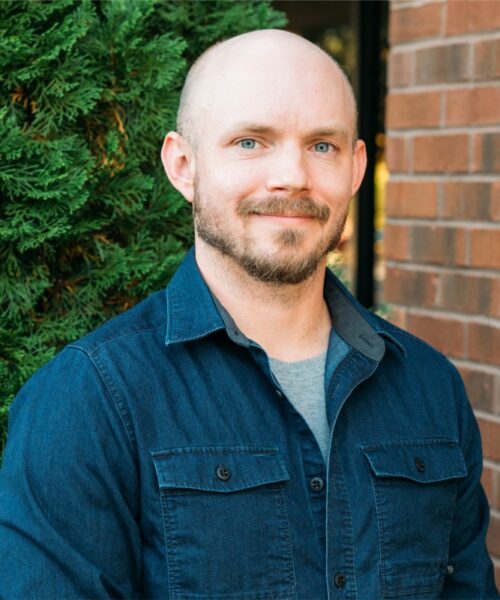
Senior Director of Programs, Musicians On Call
Episode Resources
Interested in becoming a VHAN Member and joining a collaborative group of physicians, nurses and allied professionals who are transforming health care?
Learn About Membership