
May 19, 2026
Episode 47: From Screening to Follow-Up: Fixing the Gaps in Cancer Care Delivery
Cancer Screening Isn’t the Problem. The System Around It Is.
We talk a lot about cancer screening. Increasing rates. Lowering ages. Expanding access.
But there’s a bigger issue hiding underneath it all: The system patients have to navigate once screening actually happens.
In this episode of the miniVHAN Podcast, Dr. Shari Rajoo, Vice President and Chief Medical Officer for Population Health Services at Ballad Health, challenges what we think “patient-centered care” really means, and where it’s still falling short.
What “Patient-Centered Care” Actually Looks Like (and Why We’re Not There Yet)
Health care often assumes it’s patient-centered but the reality is more complicated.
“When we think about the journey of a patient and navigating health care,” Dr. Rajoo explains. “It’s difficult to navigate at times. It’s difficult to access, and that is when we see that we are not truly patient centered.”
The issue isn’t intent. Providers care deeply about their patients. The issue is the system itself.
“We have not yet built the system in our country where it’s made for the patient and it’s easy for the patient.”
That gap becomes especially visible in cancer screening.
Screening Is Just the Beginning. What Happens Next Is Everything.
One of the most important and often overlooked truths about cancer screening is that it’s only the first step.
“Getting a screening is just the tip of that iceberg of care,” Dr. Rajoo shares, outlining what matters most are the steps that follow:
- Who reviews the results
- Who initiates follow-up
- Who ensures the patient doesn’t fall through the cracks
Because when that system fails, patients feel it immediately.
“And who lost in that scenario?” Dr. Rajoo points out, “the patient.”
Access Is Expanding. But Navigation Is Still Broken.
The good news is that new screening options are making care more accessible than ever.
From mobile mammography units to at-home HPV testing and blood-based screenings, the barriers to entry are lowering.
But Dr. Rajoo highlights, access alone isn’t enough.
“The important piece is the follow up pathway for the patient and making sure that the patient does not get lost to follow up.”
This is where population health meets reality.
If patients can access screening, but can’t navigate what comes next, the system hasn’t improved outcomes.
To fix these gaps, health care is expanding beyond traditional roles, and Dr. Rajoo highlights a critical shift.
She urges a broadening of ideas around what is a team and who’s on the team, which could include community health workers, health navigators and coaches.
These roles aren’t just helpful; they’re becoming essential.
“Having the support and having a cheerleader,” Dr. Rajoo shares, “is really critical to the success of patients in their behavioral changes.”
Because improving outcomes isn’t just about clinical care. It’s about sustained support.
The Future of Cancer Screening Depends on System Design
As screening becomes more accessible, health care systems are being forced to answer a bigger question: What happens when patients enter the system from anywhere?
“As testing becomes more available in the community, what role do we wanna play?” Dr. Rajoo asks.
This includes:
- At-home testing
- Community-based screening
- Non-traditional entry points into care
And it challenges long-standing assumptions about ownership, responsibility and follow-up.
The Real Goal: Make Health Care Easier for the Patient
If there’s one clear takeaway, it’s that health care needs to be designed around the patient, and not the system.
“The navigation is not left to the patient and they have a partner that helps them navigate the system.”
Because today, the burden is still too high.
“If it is that complex for us, how much more complex for whom the whole health care system is new and terrifying.”
What Patients Should Do Right Now
For patients, one step still makes the biggest difference: “Find yourself a primary care provider you feel comfortable with,” Dr. Rajoo shares. “And do not be afraid to ask those questions.”
Because navigating health care shouldn’t be done alone.
Cancer screening is evolving. Access is improving. Technology is advancing. But until the system itself becomes easier to navigate, the work isn’t finished.
And as this conversation makes clear, the future of health care isn’t just about detecting disease earlier; it’s about making care work better for the people who need it most.
Connect with Our Guests
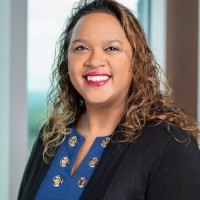
Vice President and Chief Medical Officer for Population Health Service, Ballad Health
Episode Resources
Interested in becoming a VHAN Member and joining a collaborative group of physicians, nurses and allied professionals who are transforming health care?
Learn About Membership